


Jersey in many colours and prints
Jersey is a true wardrobe favourite. This knitted fabric with natural stretch is known for its soft, flexible and comfortable feel. Choose from 600+ colours and prints.
Perfect for: T-shirts, dresses, tops, leggings, children’s clothing
Structure & drape: Soft with a smooth drape
Elasticity: Stretch fabric
Features: Knitted fabric with excellent comfort


Tips and tricks for jersey
How to care for jersey
Always follow the care instructions for the specific fabric to keep it looking its best.
- Washing: Wash at 30–40 °C on a normal or delicate cycle. It is best to wash the fabric before cutting, as jersey may shrink slightly. After sewing, you can wash the garment inside out to help protect the colour and surface.
- Drying: Air dry to maintain the fit and elasticity. Avoid tumble drying, as heat may affect both colour and stretch.
- Ironing: Iron on a low to medium heat on the reverse side. Jersey with elastane should not be exposed to high heat, as it may damage the elasticity.
Find the right type of jersey for your sewing project
At Selfmade® you will find a wide selection of jersey fabrics in different materials and qualities. Explore the categories to find the perfect fabric for your project.
 Cotton jersey
Soft, natural and breathable. Perfect for T-shirts, bodysuits and baby clothes
Cotton jersey
Soft, natural and breathable. Perfect for T-shirts, bodysuits and baby clothes
 Viscose jersey
Lightweight fabric with a fluid drape. Perfect for dresses and blouses
Viscose jersey
Lightweight fabric with a fluid drape. Perfect for dresses and blouses
.jpg?width=3000) Kids jersey
Soft jersey with fun prints. Perfect for children’s clothing
Kids jersey
Soft jersey with fun prints. Perfect for children’s clothing
 Courtelle jersey
Heavier and more stable jersey. Perfect for dresses and skirts
Courtelle jersey
Heavier and more stable jersey. Perfect for dresses and skirts
 Stretch jersey
Extra elastic and shape-retaining. Perfect for leggings and sportswear
Stretch jersey
Extra elastic and shape-retaining. Perfect for leggings and sportswear
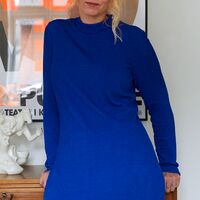 Polyester jersey
Durable and wrinkle-resistant. Perfect for hobby projects and everyday wear
Polyester jersey
Durable and wrinkle-resistant. Perfect for hobby projects and everyday wear
 Shiny jersey
Glossy surface and chlorine-resistant. Perfect for dancewear and swimwear
Shiny jersey
Glossy surface and chlorine-resistant. Perfect for dancewear and swimwear
Tips and tricks: How to sew with jersey
Many people think sewing jersey is difficult, but with the right tools and a bit of preparation it’s actually quite easy.
| #1 |
Needle Use a jersey needle or stretch needle (ballpoint), which slides between the fibres without damaging the fabric. For hems, you can use a twin needle to create a stretchy and professional finish. |
| #2 |
Stitches Sew using stretch stitches. For example, a narrow zigzag stitch, three-step zigzag or an overlock stitch. A regular straight stitch can break because it doesn’t stretch with the fabric. |
| #3 |
Thread Use regular polyester thread for sewing. |
| #4 |
Interfacing Use a lightweight stretch interfacing and shoulder tape, for example at shoulder seams, facings, behind press studs or along the neckline. |
| #5 |
Lower thread tension Reduce the thread tension slightly when sewing jersey. Too much tension can cause the seam to ripple or break when the fabric stretches. |
| #6 |
Overlocker An overlocker sews, trims and finishes the edge in one step. This means you can sew jersey pieces together directly on the overlocker. The seams remain stretchy and durable. Adjust the differential feed if the seam starts to ripple. |
| #7 |
Other tips Sew slowly and avoid pulling the fabric while stitching. If your machine allows it, you can adjust the presser foot pressure. Always test your settings on a scrap piece of fabric first. |

Why does jersey curl at the edges after cutting?
It’s completely normal for jersey to curl after cutting, especially in lighter or thinner qualities. This happens because of the fabric’s knitted structure.
You can reduce curling by pressing the fabric gently with low heat, using wonder clips instead of pins, and stabilising the fabric with wonder tape or fabric glue pen. Sew at a slower speed and use a walking foot if you have one. If you own an overlocker, finishing the edges early can also make the process easier.
How to avoid wavy seams
It can be frustrating when a beautifully sewn jersey garment ends up with wavy seams. You’ve cut carefully and sewn neatly, yet the seam still ripples. Fortunately, there are ways to prevent it.
Start by letting the machine feed the fabric while you guide it lightly with your hands. Avoid stretching the fabric, even if it feels natural. If the seam starts to tighten or ripple, lower the thread tension slightly. If the waves remain, try reducing the presser foot pressure if your machine allows it. This helps the fabric move more smoothly through the machine.
If you’re sewing on an overlocker, work actively with the differential feed. Increase it gradually until the seam lies flat. Adjust in small steps and test as you go. If the seam still feels too tight, you can also loosen the thread tension slightly.
Adjust your machine on a fabric scrap
Always test on a scrap of fabric before sewing your actual project. Spend a minute fine-tuning your machine settings. It results in smoother seams, a better sewing flow and far less frustration along the way. It’s well worth the time.

Jersey: a soft, flexible and popular fabric
Jersey is one of the most popular fabrics for creative sewing projects, and for good reason. It’s a knitted material with natural stretch that drapes beautifully and feels soft against the skin.
Whether you’re sewing T-shirts, dresses, baby bodysuits or nightwear, jersey is a reliable choice for comfortable garments with a personal touch.
What is jersey?
Jersey is a knitted fabric. This means it’s made from a single continuous thread, formed into small, elastic loops. This differs from woven fabrics, where threads cross over each other in a fixed structure. The knitted construction is what gives jersey its characteristic stretch and softness.
We offer a wide selection of jersey fabrics. Choose from printed designs or solid colours, such as viscose jersey or cotton jersey.
Different types of jersey fabric
Most jersey fabrics are made from cotton, viscose, wool, polyester or blended fibres – often with added elastane for extra stretch. Jersey comes in many different weights and qualities.
The material is known for its flexibility and beautiful drape. It’s also very comfortable to wear, which makes it ideal for everything from everyday clothing and activewear to babywear and underwear.
Jersey with stretch
All jersey fabrics have a natural elasticity because of the way they are knitted, allowing them to stretch and move with the body. That’s exactly what makes them so comfortable to wear.
There are also many versions with added elastane, giving even more stretch and improved fit. Jersey with stretch is therefore ideal for close-fitting styles such as T-shirts and tops, dresses and leggings.

What can you sew with jersey?
Jersey fabric is ideal for a wide range of garments, especially when you want something soft and comfortable to wear. As the material stretches, it moves with the body without feeling restrictive. That makes jersey a reliable choice for both everyday wear and relaxed styles.
You can sew T-shirts and tops that quickly become wardrobe favourites. Jersey is also perfect for dresses, leggings, skirts and children’s clothing, where comfort and freedom of movement are key.
Choosing cotton jersey or viscose jersey gives you different looks. Cotton jersey is slightly firmer and easy to work with, while viscose jersey has more drape and creates a lighter, more elegant finish. Both are great options, depending on what you’re making and how you want the final piece to feel.
Get started with your jersey sewing project
Jersey is one of the most forgiving fabrics to sew with. It’s soft and stretchy, giving you a bit of flexibility when it comes to fit and sizing. You don’t need to be perfectly precise to achieve a great result.
Get started with your jersey sewing project
Jersey is one of the most forgiving fabrics to sew with. It’s soft and stretchy, which gives you a little flexibility in both fit and sizing. In other words, you don’t have to be absolutely millimetre-perfect to achieve a great result.
Our recommended essentials for sewing jersey
With the right tools, working with jersey becomes both easier and more precise. Here are the essentials we always reach for.
| #1 |
Wonder tape Keeps seams and hems in place while sewing. Ideal for shoulders, necklines and zips. |
| #2 |
Fabric glue pen Provides quick, temporary fixing of details and hems when working with stretch fabrics. |
| #3 |
Stretch needles or jersey needles Help prevent holes and laddering in knitted fabrics. |
| #4 |
Stretch interfacing Stabilises the fabric without removing its elasticity. Perfect for necklines, facings and behind press studs. |
| #5 |
Sewing patterns for stretch fabrics Ensure the correct fit, as the pattern is specifically designed for jersey. |
| #6 |
Ribbing Creates a stretchy and professional finish at sleeves and necklines. |
| #7 |
Shoulder tape Use shoulder tape to prevent shoulder seams from stretching out. |


