


Viscose fabric – soft, elegant dressmaking fabrics
Viscose is a light and fluid fabric with a beautiful drape, perfect for clothing that feels comfortable and looks elegant.
Here you will find both woven viscose and viscose jersey in a range of colours, prints and qualities.


Tips & tricks for sewing with viscose
How to care for viscose
Viscose is soft, light and comfortable to wear. At the same time, it requires a little extra care. With the right treatment, the fabric keeps both its beautiful drape and its softness.
- Washing: Wash the fabric gently at a low temperature, preferably 30°C on a delicate cycle. Use a mild detergent and avoid overloading the machine. The fabric may feel slightly stiff when wet. This is completely normal and it will become soft again once dry.
- Drying: Avoid tumble drying, as it may cause the fabric to shrink and lose its shape. Gently shake the fabric after washing and smooth it out by hand while still damp. Let it dry flat or on a hanger. Avoid stretching it while wet.
- Ironing: Viscose tends to crease. Iron on low to medium heat, preferably on the reverse side to protect the surface. The fabric is easiest to work with when slightly damp.
Different types of viscose
At Selfmade® you will find a wide selection of viscose in different qualities. Our woven viscose comes in a variety of colours and prints. You will also find soft and stretchy viscose jersey, perfect for comfortable styles in many beautiful shades.
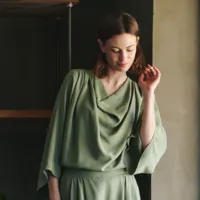


Tips & tricks: how to sew with viscose
Viscose is soft, light and drapes beautifully, but it can feel a little tricky the first time you work with it. Fortunately, it does not take much before it becomes easier to handle and you achieve a result you will be truly pleased with.
| #1 |
Pre-wash Viscose may shrink or change after the first wash. Always wash the fabric before you begin, so your finished project keeps its shape and length. |
| #2 |
Cutting Many find that viscose can slip slightly when cutting. Cut the fabric in a single layer and use plenty of pins or fabric clips to keep it stable and neat. |
| #3 |
Needle Use a sharp, fine universal needle or microtex needle size 60–70. It glides more easily through the fabric and creates neater stitches without pulling the material. |
| #4 |
Stability and fit Viscose works best for slightly looser styles where the fabric can fall freely. Use interfacing in areas such as necklines, cuffs or button plackets to add structure and long-lasting stability. |
| #5 |
Press with care Use steam to shape and smooth seams, but keep the temperature low and avoid pressing too firmly. Too much heat and moisture can cause the fabric to shrink or lose its shape. |
| #6 |
Finish with zigzag or overlock Viscose frays easily, especially after washing and wear. Finish all raw edges with a zigzag stitch or overlocker to keep your project neat and durable. |
| #7 |
Avoid puckering seams Viscose may draw together along the stitching, causing seams to pucker. Lower the thread tension slightly, use a fine needle and avoid pulling the fabric while sewing. Let the machine feed the fabric evenly for a smoother result. |
| #8 |
Hemming Let your project hang for a while before hemming. Viscose may drop or shift slightly, and this helps ensure a more even final length. |

What is viscose?
Viscose is a natural material made from wood fibres that have been processed into a soft and flexible fibre. This creates a unique combination of a natural look and a smooth surface, often used as a more affordable alternative to silk.
It is known for its soft feel and beautiful drape, reminiscent of silk. This makes it ideal for garments that move lightly and naturally with the body.
Why many choose viscose fabrics
When you sew with viscose, you achieve a result that feels relaxed yet looks refined. The fabric drapes softly around the body, making it easy to create styles you will want to wear again and again. Perfect for quiet days at home, at work or for time spent with friends.
The soft drape also means the fabric can feel a little lively to work with. It may slip when cutting and feel more fluid during sewing, especially when affected by moisture or heat. In return, you get a light and flowing result that gives your finished project a more relaxed look.
When is viscose a good choice?
Viscose is a great choice when you want to sew clothing that feels light and drapes softly. It is particularly suited to projects such as tops, dresses and lightweight trousers, where you want a more relaxed and fluid look. It is especially comfortable in warm weather, as the material feels pleasant against the skin.
The material works best for slightly loose-fitting styles, where the fabric can fall freely. If the fit is very close, it may start to pull, lose its shape or feel less stable in wear. You will often achieve the best result when you allow the fabric to move naturally with the body.


What is lyocell
Lyocell is also a cellulose fibre and is similar to viscose in many ways. The difference lies in the production process, which results in a fibre with a slightly firmer and more stable structure.
Both materials are soft, breathable and comfortable to wear. Lyocell is often perceived as slightly more durable and holds its shape better over time.
This makes lyocell well suited for clothing that is worn frequently, while still feeling comfortable against the skin.

Viscose is perfect for clothing
Viscose is versatile and can be used for almost all types of garments, from dresses and blouses to shirts, skirts, trousers and lining. The smooth surface with a subtle sheen makes it especially popular for more elegant designs.
Originally developed as a more affordable alternative to silk, viscose is now available in both glossy and matte qualities that can resemble cotton or wool. At Selfmade® you will find a wide selection of both plain fabrics and beautiful prints, offering plenty of options for both children and adults.
Viscose dresses
Woven viscose is an excellent choice for dresses. The fabric drapes softly and creates an elegant silhouette, perfect for both special occasions and long summer evenings.
At the same time, viscose feels comfortable against the skin and is easy to wear, even as temperatures rise.
Viscose jersey is a great alternative if you want more freedom of movement. The knitted quality is soft, stretchy and ideal for more fitted dresses with a high level of comfort.
Viscose blouses
Viscose is perfect for blouses when you want a light and airy look. The fabric falls beautifully and creates a feminine silhouette, whether you are sewing a loose shirt blouse or a more fitted style.
Especially for summer blouses, viscose is a popular choice as it feels cool against the skin and remains comfortable throughout the day.
Viscose trousers
For trousers, viscose is a comfortable option, particularly in loose and lightweight designs. The fabric allows for easy movement and gives a relaxed yet elegant look.
If you choose a stretch quality or viscose jersey, you gain extra comfort, making it well suited for more fitted styles.


Sensitive when wet
When washing viscose, it is important to handle it with care. The fabric is more delicate when wet and may shrink. Wash at low temperatures, preferably on a delicate cycle or by hand.
Avoid wringing the fabric. Although viscose creases easily, it can quickly be smoothed out with steam.
Why viscose feels stiff when wet
When viscose becomes wet, it may feel surprisingly stiff and slightly paper-like. This is completely normal and is due to the fibre structure in its wet state.
Once the fabric dries, it becomes soft and supple again, just as before washing.
Viscose or viskose?
“Viscose” and “viskose” refer to the same material. “Viscose” is the English spelling, while “viskose” is the Danish. Both are used in practice and mean the same.
Technically, “viscose fabric” is the more accurate term, but in everyday language both are commonly used.

Our recommended essentials for sewing with viscose
Viscose is soft and beautiful, but it can feel a little tricky to work with. With the right sewing tools, the process becomes both easier and more precise.
| #1 |
Fine sewing machine needle Use a thin, sharp needle (for example 70/10 or 75/11) to avoid damaging the delicate fibres. |
| #2 |
Sharp fabric scissors or rotary cutter Viscose can be slippery and slightly difficult to keep in place. A precise cut makes a big difference. |
| #3 |
Fine pins or fabric clips Use thin pins that do not leave marks, or choose fabric clips for more delicate fabrics. |
| #4 |
Polyester thread A strong and flexible thread that works well with viscose and ensures durable seams. |
| #5 |
Interfacing Use lightweight interfacing to stabilise areas such as waistbands, button plackets or necklines. |


